
Risk surface
Ports, rail & drayage
Terminal congestion, chassis, rail dwell and inland schedule reliability.
-
 Intermodal Volumes Are Hitting New Highs, but Drayage Capacity May Be the Bigger Q4 Constraint
Intermodal volumes have surged to record or annual-high levels in late September 2026, supported by strong conversion economics versus truckload. But carriers and industry data ...
-
 Shippers Are Looking Inland to De-Risk Freight, and Gulf Coast Gateways Want to Capture the Shift
A follow-up on late-2026 freight resilience strategies, this article examines how alternate port-to-inland routing through Gulf Coast gateways such as Mobile is gaining traction...
-
 Domestic Freight Is Calmer Than July—but Q4 Relief Still Looks Limited
Late-September freight signals suggest the domestic market has shifted from sharp summer repricing to a stubbornly elevated Q4 cost floor. Old Dominion's new 4.9% LTL increase, ...
-
 Asia-Europe Ocean Rates Are Softening as Suez Returns—but Booking Risk Is Still High
Asia-Europe container rates are falling as more carriers restore Suez and Red Sea transits, adding effective capacity back into the trade. But new WiseTech data and carrier advi...
-
 Rail Delays at Major U.S. Ports Are Emerging as the Next Reliability Risk for Import Freight
Rising delays for rail-bound import containers, especially at the Port of Los Angeles, suggest inland intermodal execution is becoming a more immediate risk for import supply ch...
-
 More Asia–Europe Services Are Returning to Suez, but the Red Sea Transition Is Getting Riskier
Maersk and Hapag-Lloyd’s Gemini network is moving further back into Suez on Asia–Europe services, but active Red Sea security advisories and signs of riskier back-haul use mean ...
-
 Shippers Are Challenging the Return to Suez—And That Could Keep Red Sea Freight Planning Unstable
A new shipper-side challenge to renewed Suez and Red Sea transits suggests the restart is entering a credibility phase, with cargo owners questioning whether carriers have provi...
-
 Record July Container Volumes Are Hitting a Constrained Network—and Reliability May Be the Bigger Q4 Risk
A record 17.3 million TEUs moved globally in July 2026, but weakening schedule reliability, rising empty repositioning, and ongoing Panama Canal constraints suggest the bigger Q...
-
 Panama Draft Limits and China Typhoon Delays Are Forcing Service Changes on U.S. East Coast Routes
Panama Canal draft restrictions and late-August typhoon disruption at Shanghai and Ningbo are now forcing schedule adjustments on Asia–U.S. East Coast container services, increa...
-
 Fresh Hormuz Attack Reports Are Now Clogging Jeddah, Creating a New Middle East Freight Risk Beyond the Gulf
A reported August 4 strike on a cargo ship near Oman and tightening controls at Jeddah show Middle East freight disruption spreading from direct Gulf security exposure into cong...
-
 East Coast Peak Season Is Tightening Fast as Panama Canal Limits and Suez Uncertainty Squeeze Import Capacity
Fresh Panama Canal draft restrictions, new carrier surcharges and unresolved Suez routing changes are making U.S. East Coast import programs more fragile heading into August and...
-
 Heightened CBP Security at U.S. Ports Is Turning Customs Holds Into a New Demurrage Risk for Importers
A July 22, 2026 Journal of Commerce report and related 2026 enforcement signals indicate that tougher CBP scrutiny at U.S. seaports is extending container holds and increasing d...
-
 Intermodal Is Becoming Shippers’ Main Escape Valve From Tight Truckload—But the Risk May Just Be Moving Downstream
July 2026 earnings commentary, rail traffic data and market research all point to a stronger intermodal conversion cycle as truckload tightness and fuel costs push more freight ...
-
 Truckload Spot Rates Have Moved Above COVID-Era Highs, and July Is Showing the Tight U.S. Freight Market Isn’t Letting Up
Early July freight data suggests U.S. truckload pricing has moved into a broader repricing cycle, with spot rates above prior COVID-era highs, June pricing near record levels, a...
-
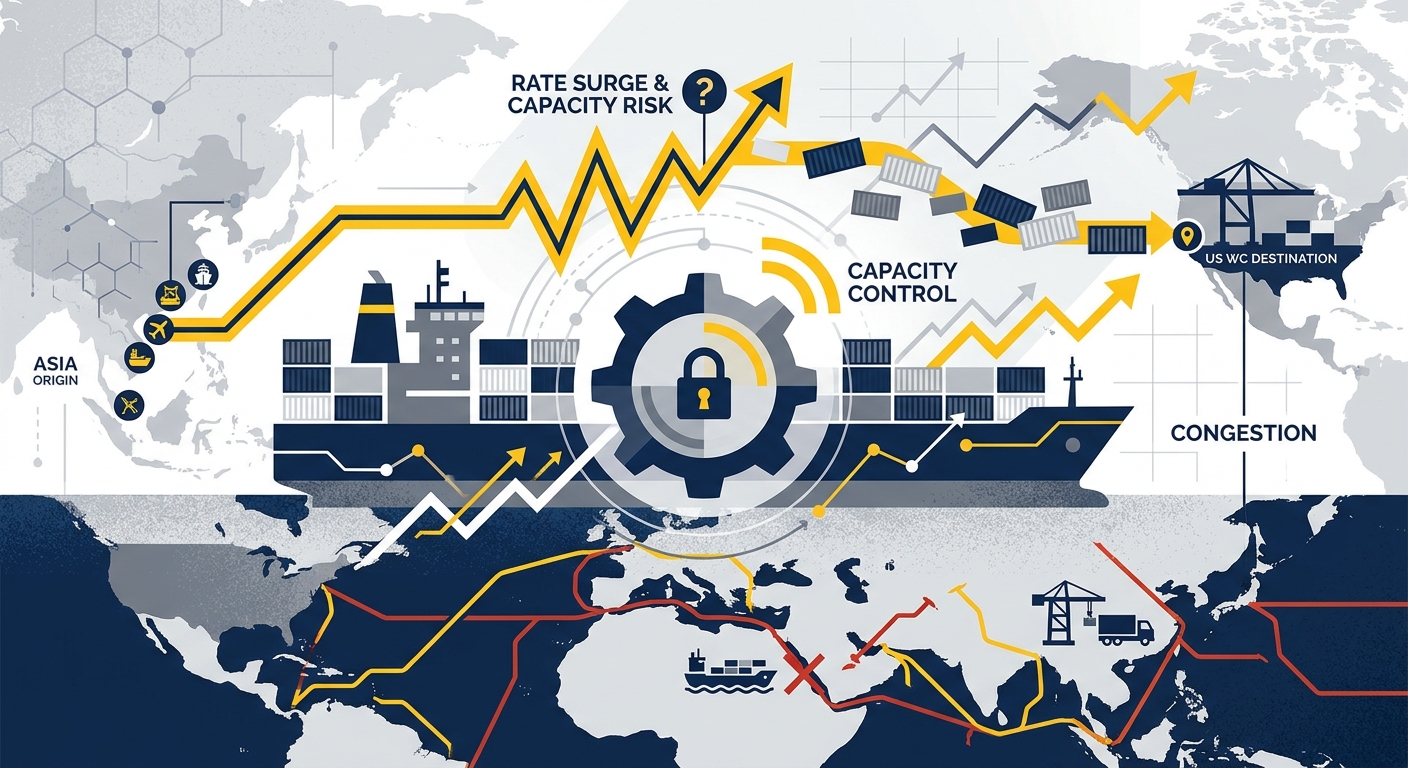 Trans-Pacific Container Rates Have Surged Since March—But the Bigger Story Is Capacity Control, Not a Clean Demand Rebound
Trans-Pacific spot rates rose sharply from March to late June 2026, but the evidence points to a fragile, carrier-managed market rather than a straightforward demand rebound. Ma...
-
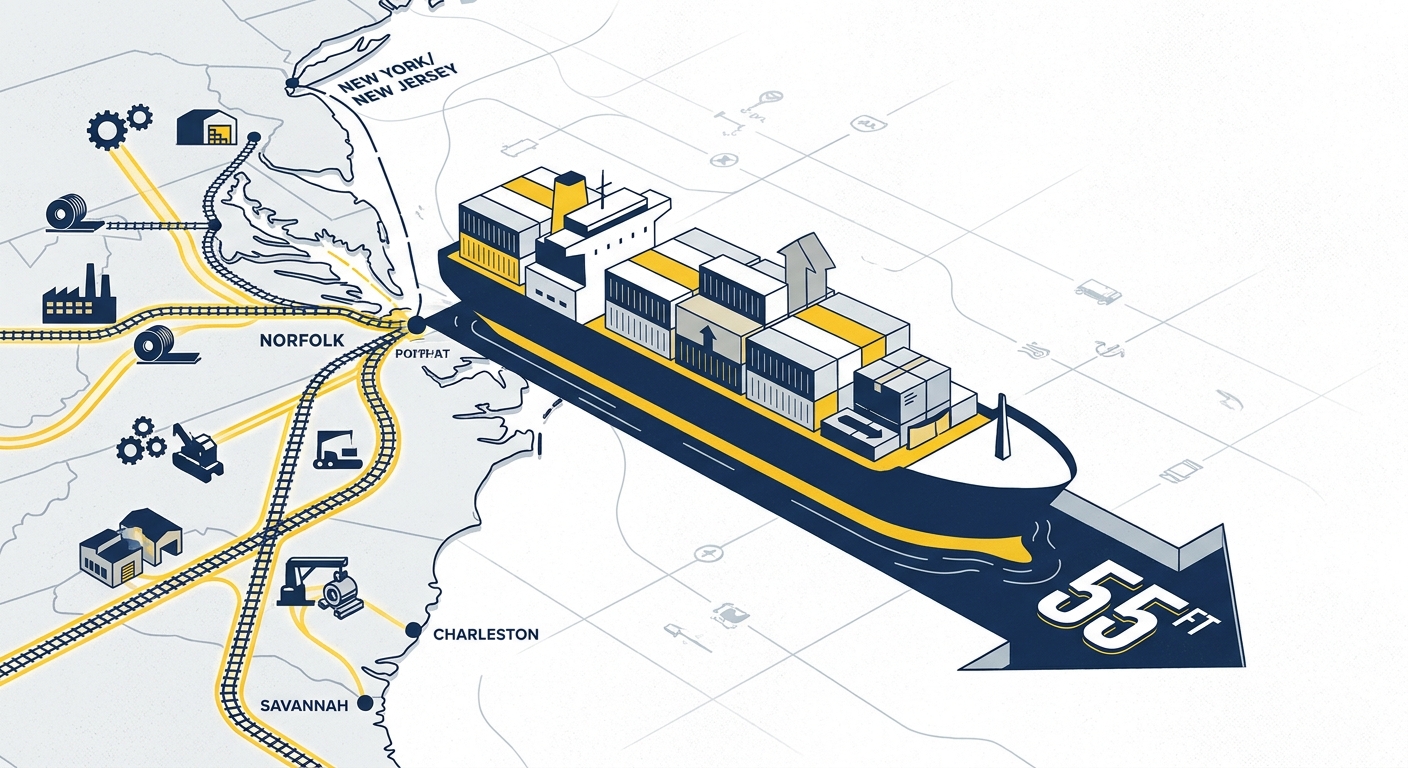 Norfolk’s New 55-Foot Harbor Could Redraw East Coast Freight Routing for Larger Ships and Inland Networks
The Port of Virginia’s newly completed 55-foot Norfolk Harbor removes a key draft constraint in East Coast port competition. The upgrade improves Norfolk’s case for larger, more...
-
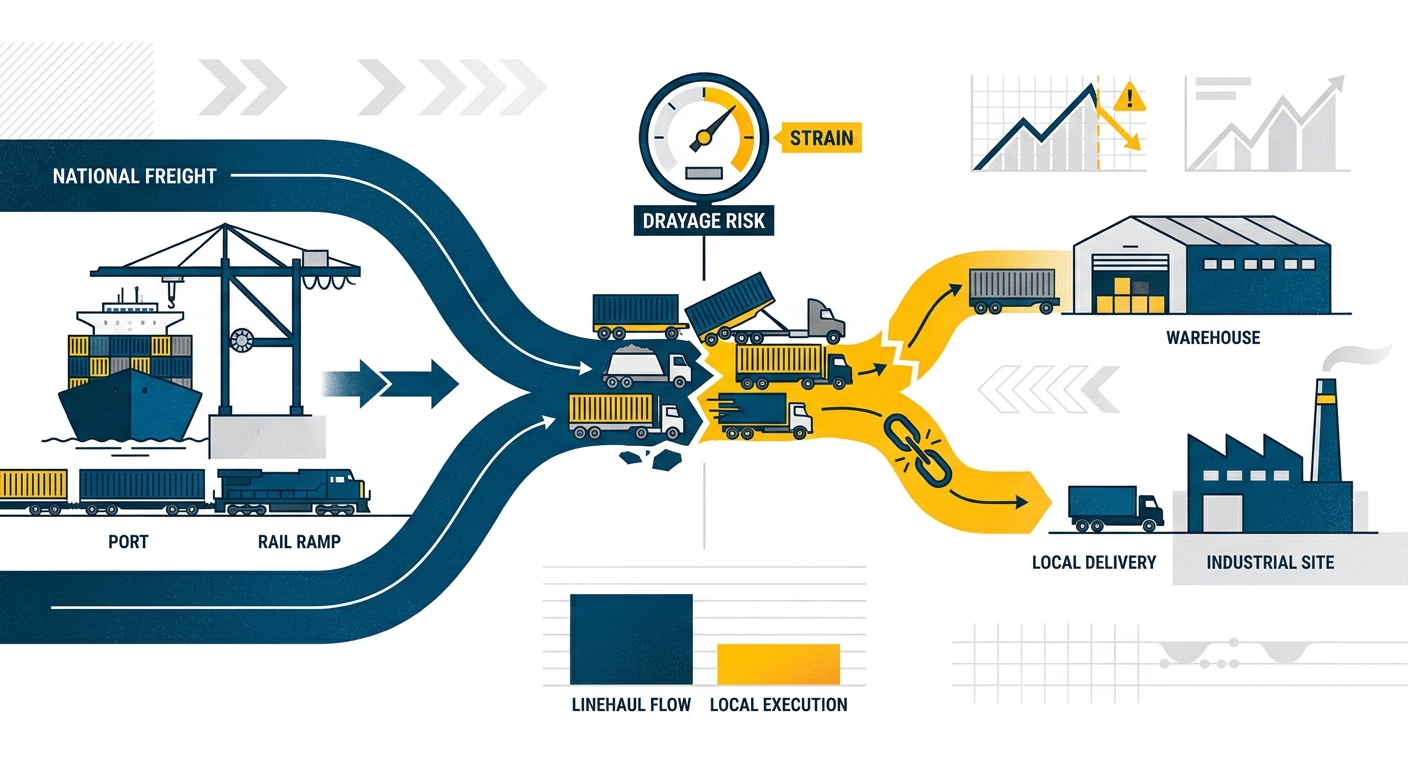 Freight’s Recovery Is Exposing a New Weak Link: Drayage Capacity Is Becoming the Next Industrial Supply-Chain Risk
Freight demand is improving in June 2026, but the recovery is exposing a fragile point in the network: drayage and short-haul execution at the end of intermodal moves. Rising in...
-
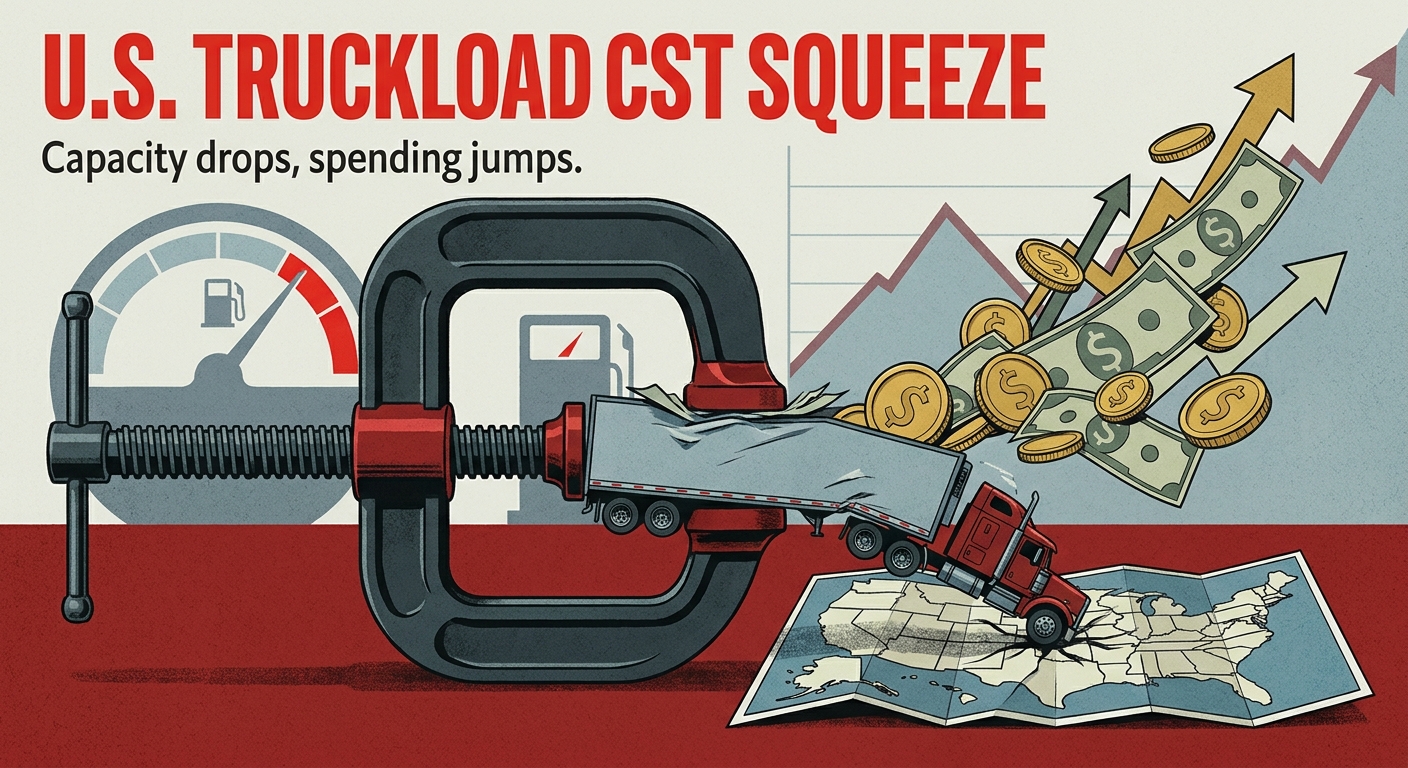 U.S. Truckload Is Entering a Cost Squeeze: April Capacity Drop and Q1 Spending Jump Raise the Stakes
New May 5 data suggests U.S. truckload has moved from simple tightening into a sharper cost squeeze. U.S. Bank’s Q1 Freight Payment Index showed spending up 12.9% quarter over q...