

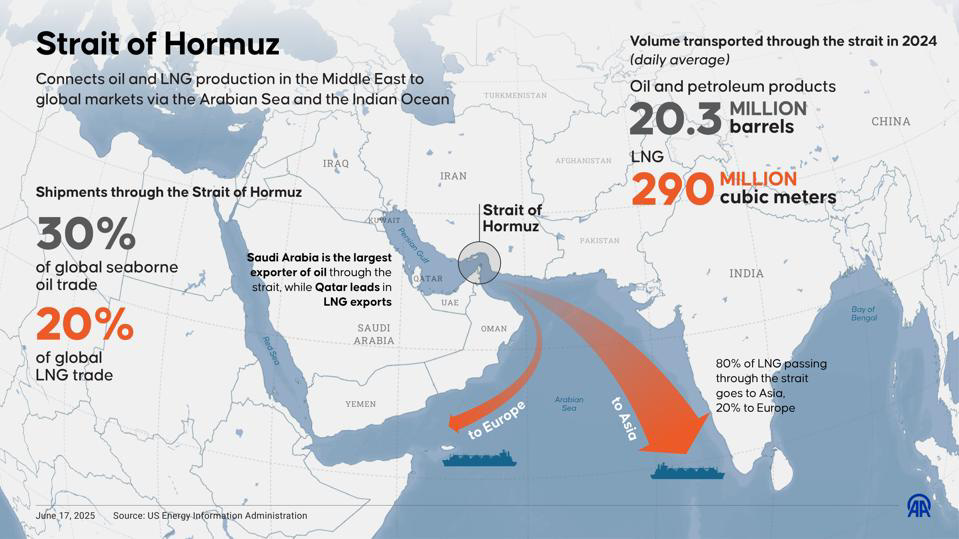
Escalating security conditions tied to the Strait of Hormuz are trapping vessels, pushing up fuel and insurance costs, and increasing schedule risk for industrial shippers. Project teams and plant operators should triage shipments by downtime risk, pre-approve routing alternatives, validate Incoterms and insurance coverage, and prepare inland capacity for irregular arrivals.
- Treat Hormuz disruption as a cross-modal risk: ocean delays can quickly become inland capacity and fuel-surcharge problems.
- Triage shipments by downtime impact (Tier 1/2/3) to prioritize spend and execution speed.
- Pre-approve detour and expedite triggers so teams can act during fast-moving security events.
- Re-check Incoterms and war-risk exclusions—insurance coverage gaps are common in high-risk areas.
- Expect bunching of arrivals after delays; secure drayage, storage/laydown, and heavy-lift windows early.
Situation update: why this matters to CAP Logistics customers
Multiple shipping and maritime security reports this week indicate an effective shutdown/major disruption of transits connected to the Strait of Hormuz, with carriers reporting vessels unable to exit the Persian Gulf. FreightWaves reported Maersk has 10 ships effectively “trapped” in the Gulf, alongside broader accounts of hundreds of ships and thousands of seafarers affected. FreightWaves also reported at least one container ship in U.S. service was attacked in the Persian Gulf, indicating risk may extend beyond the immediate chokepoint.
For industrial and heavy-industry supply chains, this is not just an ocean-carrier issue. The knock-on effects typically hit:
- Project cargo schedules (power generation, mining, EPC work, refinery/chemical turnarounds)
- Spare parts availability (critical rotating equipment, controls, electrical components)
- Freight budgets (marine war risk, detours, and fuel surcharges)
- Insurance and compliance (war risk clauses, force majeure language, sanctions screening)
What’s driving the freight risk right now
1) Capacity trapped + rerouting pressure
When vessels cannot safely transit or exit, capacity becomes functionally unavailable. Even if your cargo does not originate in the Gulf, equipment dislocation can tighten availability across adjacent trades.
Implications you may see quickly:
- Rolled bookings and blank sailings as carriers reshuffle strings
- Container imbalances (exporters short of empties in some regions; congestion in others)
- Longer lead times for ex-Gulf origins and for cargo that depends on transshipment networks
2) Fuel and surcharge volatility
FreightWaves reported the U.S. diesel benchmark used for many surcharge programs posted a record weekly gain amid Hormuz concerns. For shippers, fuel volatility can flow into:
- Trucking fuel surcharges on inland legs
- Bunker adjustment mechanisms (ocean) and jet fuel components (air)
- Higher costs for expedited recovery moves (hot shots, team service, charters)
3) Security, insurance, and contract triggers
A volatile security picture tends to raise or expand:
- War risk premiums and “additional premium” calls
- High-risk area surcharges
- Contract disputes about delivery windows, liquidated damages, and “best efforts” obligations
For project cargo, the commercial risk can be as large as the freight cost—especially if a delayed transformer, compressor, or switchgear package pushes an outage window.
Practical actions to take this week
1) Segment shipments by downtime risk (not by PO number)
Create three tiers:
- Tier 1 (Plant/Project Critical): anything that can stop commissioning, extend an outage, or halt production
- Tier 2 (Schedule Important): items that affect labor sequencing, but have some float
- Tier 3 (Routine): can wait or consolidate
Why this matters: in disruption conditions, decision speed and clear escalation rules prevent “first-come, first-served” chaos.
2) Re-check Incoterms, routing control, and “named place” details
When security conditions change fast, who controls routing and insurance matters.
- If you buy CIF/CIP, confirm what your supplier’s policy covers and whether war risk is excluded.
- If you buy FOB/FCA, ensure your forwarder/carrier options are viable and your insurance is current.
3) Build a detour plan with dates and cost triggers
For shipments exposed to Gulf routing, pre-approve alternates with your stakeholders:
- Re-route via different load ports where feasible
- Consider multimodal substitutions (sea-air, air for critical spares)
- Define cost thresholds that allow your logistics team to act without waiting days for approvals
4) Tighten documentation and screening discipline
In elevated geopolitical environments, screening delays can spike. Ensure you have:
- Correct shipper/consignee and end-user data
- Harmonized System codes validated
- Clear descriptions (avoid vague “parts”/“equipment” wording)
- Up-to-date denied party screening and any required export licenses
5) Prepare inland capacity for “lumpy” arrivals
When ocean schedules slip, deliveries tend to bunch. Line up:
- Drayage and transload plans
- Storage/laydown capacity (including overweight/oversize handling)
- Crane/rigging windows for heavy lifts
What to watch over the next 7–14 days
- Carrier advisories on suspended calls, diversion ports, and revised proformas
- War risk and insurance market signals (rate cards, exclusions, high-risk area definitions)
- Fuel index moves impacting trucking and expedited alternatives
- Any government or naval posture changes that affect escort availability and transit confidence
How CAP Logistics can help
For industrial and heavy-industry shippers, the goal is not simply “finding a ship”—it’s protecting commissioning dates and avoiding downtime.
CAP Logistics can support with:
- Lane-by-lane exposure assessment (which SKUs/shipments touch Gulf routing or affected networks)
- Routing scenarios with cost and schedule implications
- Priority execution for Tier 1 spares (expedite, charter assessment, sea-air alternatives)
- Project cargo contingency planning (equipment sequencing, laydown, heavy-lift coordination)
If you have time-sensitive cargo tied to outages, start by sharing: origin, destination, cargo dimensions/weights, required delivery date, and any contractual LD milestones. We’ll propose options with decision-ready tradeoffs.
Sources
- FreightWaves (Stuart Chirls): reports on Strait of Hormuz disruption, vessels trapped in the Persian Gulf, and a vessel attack in the region (March 2026).
- FreightWaves (John Kingston): report on record weekly gain in the U.S. diesel benchmark amid Strait of Hormuz concerns (March 2026).
Note: Conditions are evolving quickly; operational decisions should be based on current carrier notices, marine security advisories, and insurer guidance at time of booking.
FAQ
Does a Strait of Hormuz disruption affect cargo that doesn’t originate in the Gulf?
Yes. Even if your cargo is not Gulf-origin, trapped vessels and network reshuffles can reduce effective capacity, disrupt equipment positioning, and create schedule ripple effects across adjacent ocean services and transshipment hubs.
What’s the first thing a plant or project team should do?
Identify Tier 1 items tied to commissioning, outages, or production continuity. Then confirm routing control (Incoterms), delivery deadlines, and acceptable cost thresholds so logistics can execute alternatives without delay.
Will this show up in trucking costs?
It can. Fuel market volatility can increase diesel-based surcharge programs, and irregular port arrivals can tighten regional trucking capacity, especially for drayage, flatbed, and overweight/oversize moves.
How should we handle war risk and insurance questions?
Review your cargo insurance terms for war-risk exclusions and confirm who is responsible under your Incoterms. In elevated-risk regions, additional premiums and clauses may apply and should be confirmed before loading.